
UPI QR Code vs Payment Gateway for Business
An in-depth comparison of free static UPI QR codes and paid payment gateways (like Razorpay, Cashfree, or Paytm Business) for small merchants and online creators.
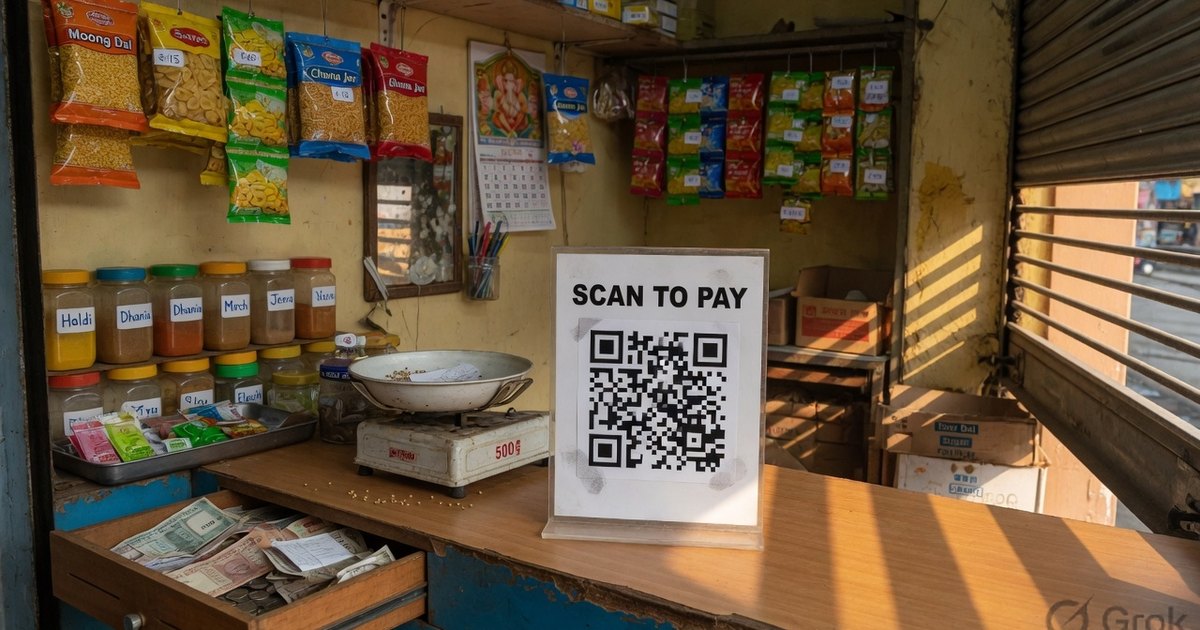
When launching a new business, service, or e-commerce shop, one of your primary decisions is selecting how you will collect customer payments.
In India, two routes dominate the digital landscape:
- Free Static UPI QR Codes: A direct, bank-to-bank scan-to-pay method.
- Paid Payment Gateways: Dedicated processors (like Razorpay, Instamojo, or Cashfree) that bundle credit cards, net banking, wallets, and UPI under a checkout form.
Each system has its advantages. In this guide, we will break down the costs, settlement speeds, user experience, and features to help you decide which is best for your current setup.
Quick Comparison Table
Here is a high-level look at how static UPI QR codes compare to paid merchant gateways:
| Feature | Static UPI QR Codes | Paid Payment Gateways |
|---|---|---|
| Transaction Fees | 0% (Free) | 2.0% to 3.5% per transaction |
| Settlement Time | Instant (Real-time) | T+2 to T+4 working days |
| Accepted Methods | UPI Only (GPay, PhonePe, etc.) | Cards, Net Banking, Wallets, UPI |
| Setup Cost | Zero | Zero (usually), but requires KYC |
| Refund Management | Manual bank transfer | Automated via merchant dashboard |
The Case for Static UPI QR Codes (Free & Instant)
For small stores, micro-merchants, freelancers, and local service providers, static UPI QR codes are often the most profitable starting point.
1. No Platform Commissions (Keep 100% of Revenue)
Payment gateways charge a standard MDR (Merchant Discount Rate) of 2% + GST on domestic transactions. If your business collects ₹1,000, you pay ₹23 to the gateway. If you collect ₹1,00,000 monthly, you lose ₹2,300. With direct UPI QR transfers, there are zero commissions. You keep every rupee.
2. Instant Settlement
With a payment gateway, funds are typically held for 2 to 3 business days before being deposited into your bank account. Direct UPI QR codes deposit funds into your account instantly (within seconds), which is crucial for managing daily cash flow.
3. No Setup Barrier
To set up a payment gateway, you must submit business registration documents (GSTIN, COI, etc.) and complete merchant onboarding KYC. With a direct UPI QR code, you can use any existing personal or business savings account immediately.
The Case for Paid Payment Gateways (Automated & Versatile)
While UPI QR codes are free, paid payment gateways solve several operational challenges for larger or online businesses.
1. Automated Order Status Updates
If you sell digital downloads or run a Shopify store, you need a system that automatically marks an order as “paid” and emails the file to the customer. Direct UPI QR codes are static; they don’t communicate with your website’s database. A payment gateway automatically updates your web server after a successful webhook response.
2. Accepts Credit Cards and International Payments
UPI is only available to customers with Indian bank accounts linked to an Indian mobile number. If you have international clients or customers who want to pay using Credit Cards or Net Banking, a payment gateway is required.
3. Automated Refund Processing
If an order is cancelled, a payment gateway allows you to trigger a one-click refund back to the customer’s original payment source. With a static UPI QR, you have to manually request the customer’s bank details and transfer the refund yourself.
Which One Should You Choose?
Choose a Free UPI QR Code if:
- You run a physical storefront, kirana shop, or food stall.
- You are a freelancer collecting payments directly from Indian clients.
- You are raising donations for a local cause, temple, or NGO.
- You want to avoid any transaction deductions and receive cash instantly.
Choose a Paid Payment Gateway if:
- You run an automated e-commerce store selling digital products globally.
- You want to integrate recurring subscription billing (auto-debit).
- You require automatic reconciliation and invoice dispatching.
The Hybrid Approach
Many smart business owners use both. They display a Pro UPI QR Standee at their physical counter or on their landing page for Indian customers (saving them thousands in transaction fees), while providing a credit card gateway link for international or credit-heavy shoppers.
Kunal Siyag
Founder, Pro UPI QR
Founder of Pro UPI QR. Builds the generators and calculators, writes the merchant guides, and cites NPCI, RBI, and bank sources instead of inventing a research team.
Related Articles
Paytm vs PhonePe vs Google Pay: Best QR for Your Shop
Compare Paytm, PhonePe, and Google Pay business QR codes on charges, limits, and soundbox costs. Learn why a universal QR might be your best choice.
How to Get Free UPI Voice Alerts on Phone (Save ₹125/mo Rent)
Turn on free UPI voice announcements in PhonePe and GPay Business apps. Save ₹125/month on soundbox rent using your existing smartphone speaker.
TReDS Explained - Discount Unpaid MSME Invoices for Instant Cash
How TReDS lets registered MSMEs convert accepted invoices from large buyers into cash within days — eligibility, discount costs, and the step-by-step flow.
Related tools
Four siblings in this topic — the full inventory lives on the hub.
PhonePe vs Paytm vs GPay
Interoperability, soundboxes, dashboards, and what actually differs.
PhonePe-compatible QR
Print a PhonePe-styled standee for any VPA.
Google Pay-compatible QR
GPay-friendly poster customers can scan from any UPI app.
Paytm-compatible QR
Paytm-styled counter QR for shops and local businesses.